Ignition & Door Lock Repair: What Is Actually Going Wrong
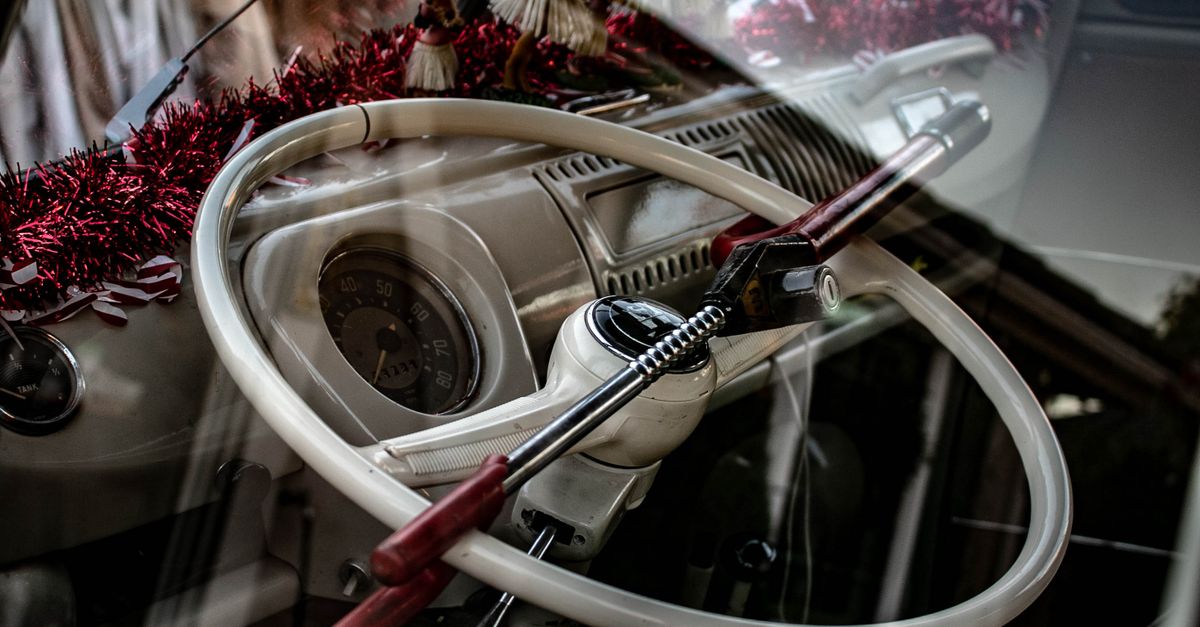
Car ignition problems and sticky door locks share a common root: worn internal components that accumulate grime, heat stress, or corrosion over time. In Florida's humidity, this process accelerates. A faulty ignition cylinder typically shows early warning signs — the key feels stiff, it takes multiple attempts to reach the start position, or the steering column lock engages unexpectedly. Left alone, the wafer tumblers inside the cylinder can shear, leaving the key turning freely with no result. Our technicians inspect the cylinder, the ignition switch behind it, and the connecting electrical contacts as a unit, because a problem in any one of those three layers can produce the same symptom.
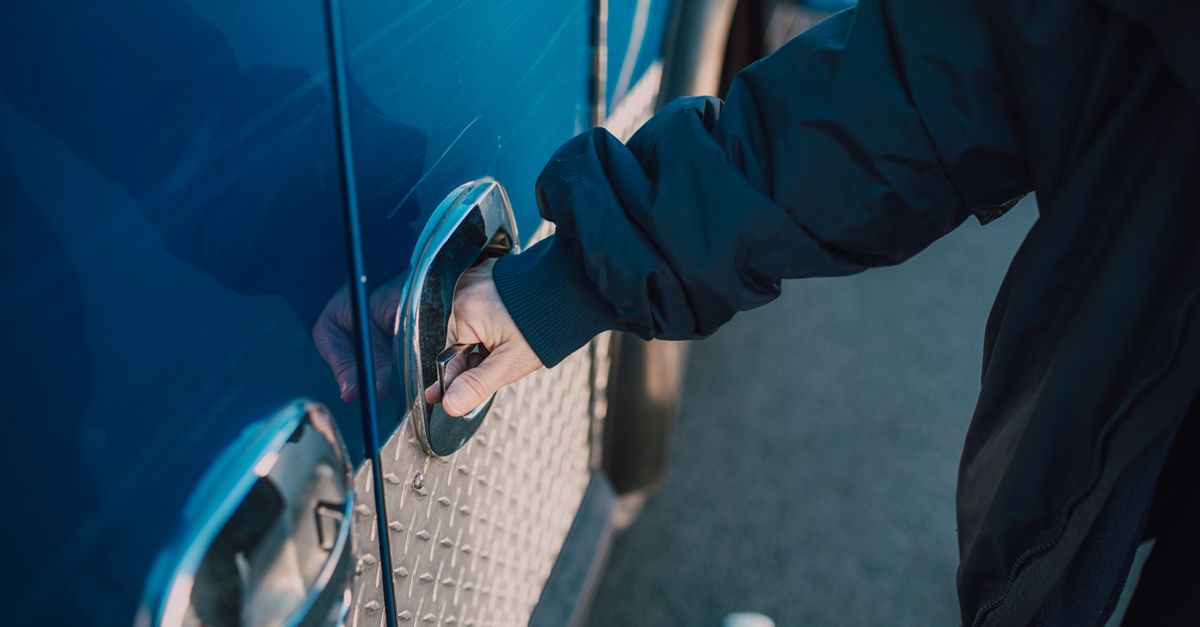
Sticking car door locks are a related but separate issue. The lock rod that runs from the handle down to the latch mechanism can bend, corrode, or pop off its clip. The door lock actuator — the small motor that powers central locking — can fail electrically or mechanically. On sliding door systems common in minivans and commercial vans, the lock replacement process also involves the roller track and cable tension, making a sliding door lock replacement more involved than a standard door. We assess all of these components before recommending a repair path, so you are never paying to replace a part that does not need replacing.